
There are short-term effects that may appear to be helpful, but there will be more damage than good for the longer term. For anyone living with alcoholism or alcohol anxiety disorders, it is best to seek treatment from a certified healthcare professional as soon as possible. The patient reported his first panic attack came after one month of an abrupt cessation of alcohol intake after abusing the substance for seven years. The decision to stop drinking alcohol was directly related to the sudden appearance of panic attacks. This served as proof that withdrawal can cause panic attacks – especially if not done properly.
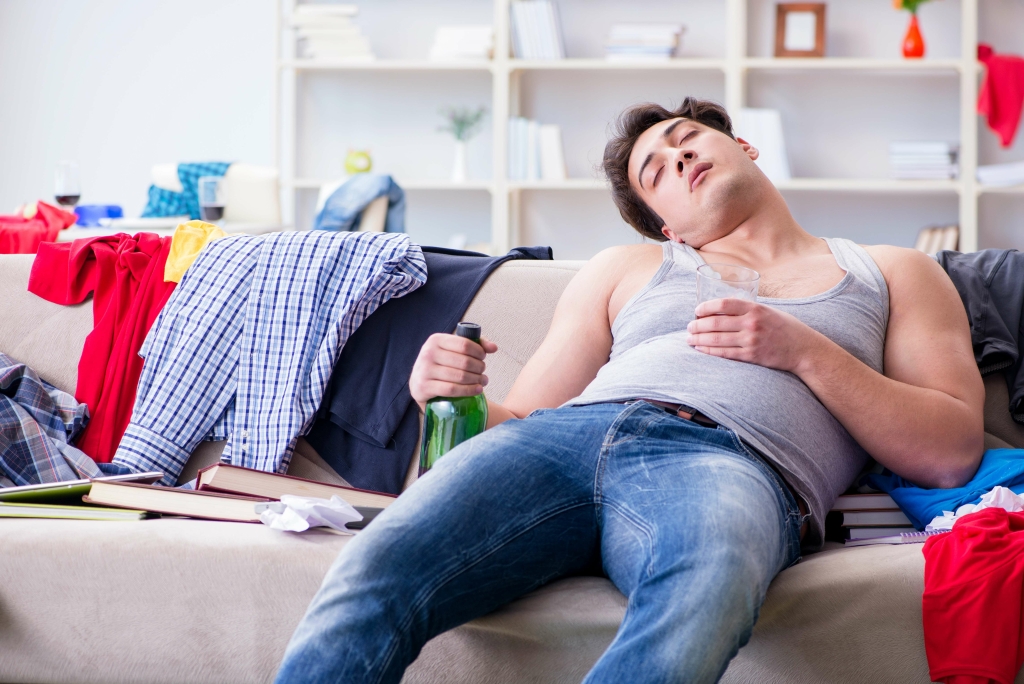
For one, drinking alcohol more frequently or having larger amounts can cause hangovers. Long-term alcohol use also often leads to tolerance, when a person needs to drink more to get the desired effect. For example, a person might have started feeling more relaxed after just one glass of wine. can alcohol cause panic attacks As time goes on, however, they might find they need two, three, or more glasses of alcohol to get the same feeling. Extreme emotions that are usually hidden from others, like anger and sadness, may be more noticeable when you drink because you’re less able to conceal and manage them.
Questions to ask your primary care provider at your first appointment
They also think chemical imbalances in gamma-aminobutyric acid (GABA), cortisol and serotonin may play a large role. Panic disorder is an anxiety disorder that involves multiple unexpected panic attacks. A main feature of panic disorder is that the attacks usually happen without warning and aren’t due to another mental health or physical condition. These allostatic adaptations in the brain lead to the second stage of addiction—withdrawal/negative affect. In this stage, reward circuits become blunted because of within-system neuroadaptations. At this point in the addiction process, subjective negative affect predominates, especially during periods of sobriety and withdrawal.
For example, medically oriented researchers might view subclinical negative affect as qualitatively rather than quantitatively distinct from diagnosed anxiety disorders. Similarly, it could be argued that dysregulated biological stress responses share little construct space with subjective negative affect and drinking to cope. However, as already noted, a dysregulated stress response is a known biological marker for the development of anxiety disorders and AUD, as well as for relapse.
Symptoms
However, these drugs can be highly addictive, so people should use them exactly as their doctor prescribes. Taken with opioids or alcohol, they can have life threatening adverse effects. Panic attacks can cause rapid breathing, and chest tightness can make the breaths shallow. This type of breathing can make feelings of anxiety and tension worse. Panic attacks are relatively common, with one article stating that around 13% of people will experience one in their lifetime. Even if someone starts drinking alcohol as a way to cope with anxiety, it can quickly have the opposite effect.
But if you still notice anxiety or panic symptoms with this level of drinking, you could try to further reduce how much you drink. 8 years of nursing experience in wide variety of behavioral and addition settings that include adult inpatient and outpatient mental health services with substance use disorders, and geriatric long-term care and hospice care. He has a particular interest in psychopharmacology, nutritional psychiatry, and alternative treatment options involving particular vitamins, dietary supplements, and administering auricular acupuncture. Different medication types also have varied approaches to treating anxiety and alcohol abuse in relation to the medication chosen.
Opponent process model
If you think you have a problem with alcohol, seek help from your doctor right away. When dealing with stressful days or nervous situations, you may be tempted to have a glass of wine or a beer to calm your nerves. However, drinking alcohol, especially heavily and over a long period of time, can actually increase your anxiety. While small amounts of alcohol may activate GABA and cause you to relax, heavier drinking can sap GABA. Drinking is commonly used to numb anxious thoughts, and yet paradoxically alcohol can cause more panic attacks to occur. When you suffer from panic attacks and anxiety, it implies that your natural ability to cope with stress is suffering.
- Her initial campaigns focused on smoking cessation and cancer prevention.
- You may have already found that you are having to drink larger quantities to get rid of your anxieties, or are now drinking to stave off withdrawal symptoms.
- People with generalized anxiety or panic disorder are more likely to develop unhealthy drinking behaviors around the same time that they start having symptoms of their anxiety-related mental health condition.
- Throughout history, people have used herbs to treat anxiety and depression.
Eventually, when you don’t drink alcohol, you may also suffer from panic attacks even more often than you did before drinking, especially if you drink every day or to numb your anxiety. In other words, drinking alcohol may give you a temporary sense of relief, but in the long term it’s likely to worsen your anxiety and weaken your coping capacities. Alcohol withdrawals refer to unpleasant symptoms that occur when alcoholics try to stop drinking or when the alcohol level in their blood falls significantly. Many alcoholics will experience early withdrawal symptoms as part of their hangover, but the symptoms will disappear as soon as they start drinking. This is a common reason for why such individuals will feel the need to drink as soon as they wake up.
What to do when someone else is having a panic attack
They share several similar symptoms, but they are — in fact — clinically different. Recurring or severe panic attacks can be a symptom of panic disorder. This condition affects 2–3% of people in the United States each year. If you are using alcohol as a self-medicating measure, you might feel it “works” to help you cope with your symptoms.
Every time you drink, alcohol triggers an increase in the production of insulin. This increase can lead to a drop in your blood sugar (glucose) levels, and when this is too low it is known as hypoglycaemia. The symptoms of low blood glucose include trembling, an elevated heart rate, and feeling anxious or in a low mood. While alcohol can make your panic attacks worse, alcohol itself doesn’t cause panic attacks on its own. In other words, even if you stop drinking alcohol, you are likely still going to have panic attacks – you simply won’t have alcohol triggering them. This means that cutting out alcohol can help – but often further action is required in order to take full control of your condition.